← Back to Services
Edge Computing

Edge Computing

The Edge Computing module comprises the industrial compute systems that sit between field instrumentation and centralized data environments. Numeric designs and deploys edge architectures that integrate sensors, control systems, PLC and SCADA networks, and centralized platforms while maintaining local functionality during network interruption or limited connectivity.
Technology Stack
DEEP-EDGE PlatformIndustrial Edge DevicesEmbedded ComputingPLC / SCADA IntegrationMQTT / OPC-UAReal-Time LinuxDocker / ContainersEdge AI / ML Inference
01

Edge Architecture

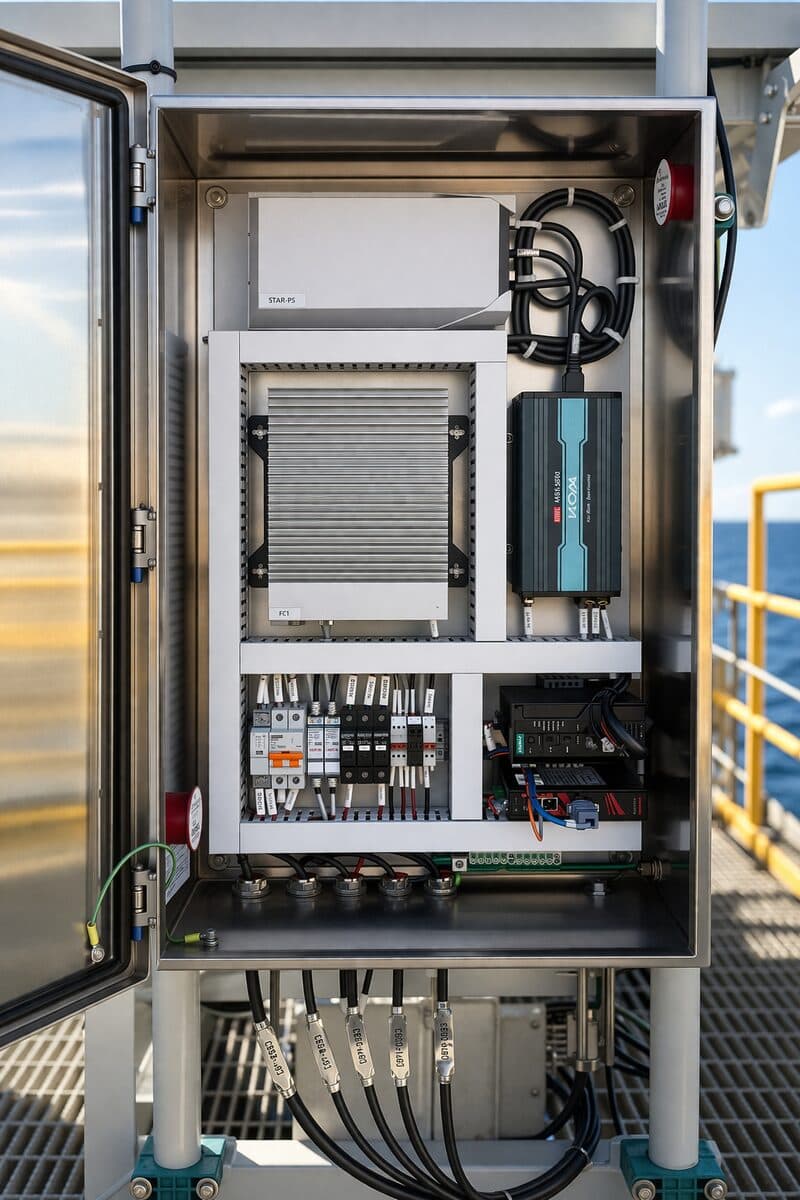
Numeric designs edge computing systems that connect field instrumentation, control systems, and application layers into a single operational platform. These architectures are intended for environments where autonomy, local processing, and resilient operation are required.

  • Industrial edge devices and embedded computing systems
  • Local acquisition and preprocessing pipelines
  • Integration with PLC, SCADA, and sensor networks
  • Secure communication with cloud and on-premise systems
  • Architecture designed for modular deployment and growth
Industrial electrical cabinet by the ocean
02

Local Processing and Analytics

Processing at the edge reduces latency, lowers bandwidth demands, and keeps critical functions close to the asset. Numeric uses this layer to perform signal handling, event detection, and local analytics in real time.

  • Filtering, aggregation, and compression of high-frequency data
  • Event detection and anomaly identification
  • Condition monitoring and equipment health assessment
  • Local execution of analytics and machine learning models
  • Edge-resident alerting and decision-support functions
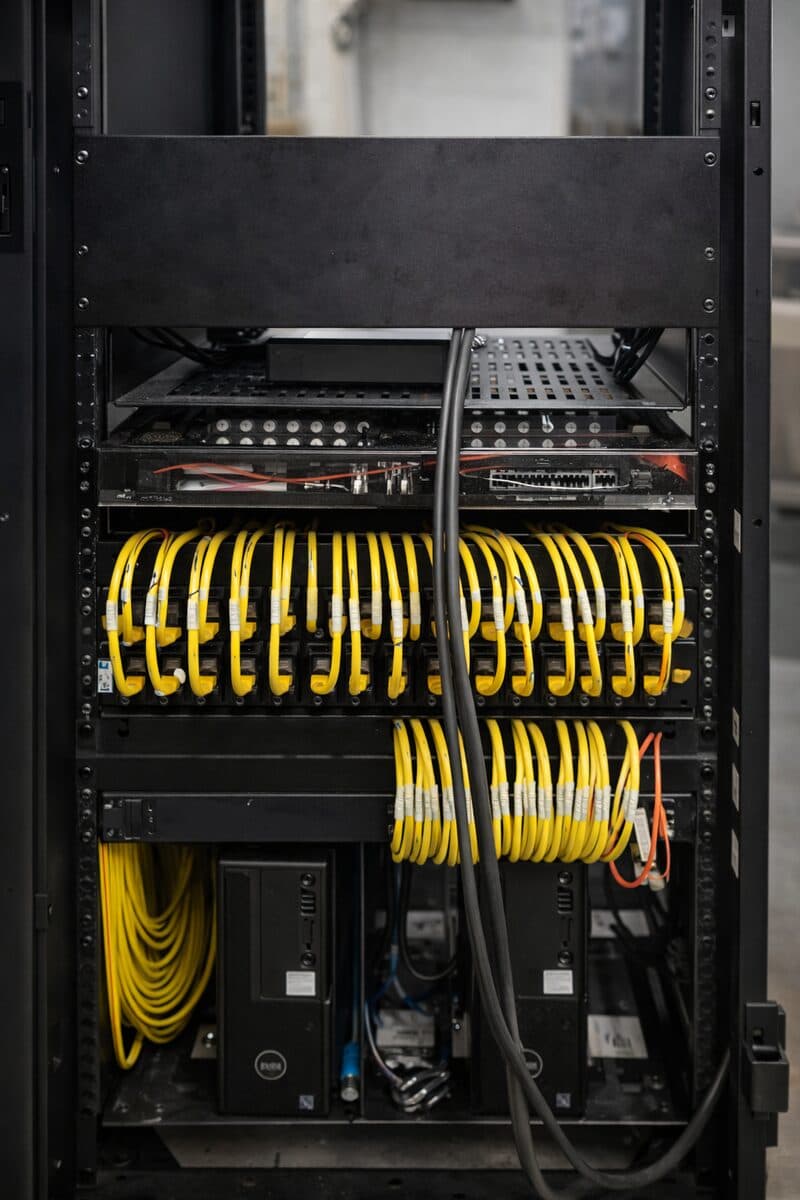
Networking equipment in industrial server rack
03

Remote and Distributed Operation

Many of Numeric’s systems operate in remote, disconnected, or bandwidth-constrained environments. Edge computing allows those systems to continue functioning when cloud access is delayed, interrupted, or intentionally limited.

  • Autonomous operation during network interruptions
  • Continuous monitoring in remote operational environments
  • Local buffering and continuity of engineered data
  • Reduced dependence on constant high-bandwidth connectivity
  • Scalable support for geographically distributed assets
04

Operational Role in the Deep Edge Architecture

Within the broader Deep Edge architecture, the edge layer is where measurement, validation, analytics, and operational logic come together. This makes the edge environment the practical bridge between field systems and centralized engineering workflows.

  • High-rate data ingestion and validation at the point of operation
  • Execution of physics-based calculations alongside data-driven analytics
  • Synchronization of engineered data and model states when connectivity allows
  • Local support for digital twins and AI inference
  • Strong foundation for advanced monitoring and digitalization initiatives
Related Case Study

Deep Edge Platform

On-site edge computing for offshore monitoring and AI inference

View Case Study

Intelligent Designs

Engineered for Real Conditions

Physics. Data. Deployment.

Contact us